How I Turned My Passion for Culture Into Smarter Investments
What if your weekend museum trip or concert ticket could do more than just entertain? I used to see cultural spending as pure expense—until I realized it could be strategic. By shifting how I view art, music, and heritage, I’ve found ways to align my values with long-term value. This isn’t about getting rich overnight; it’s about smarter choices that grow both appreciation and assets. Let me walk you through how cultural consumption can become a surprisingly effective investment move.
The Hidden Value in What You Love
Cultural consumption—visiting galleries, attending performances, collecting crafts—is often seen as leisure spending. But beneath the surface, these experiences carry lasting value. Unlike fast fashion or gadgets that lose worth quickly, cultural assets such as original artwork, handcrafted instruments, or limited-edition books often appreciate over time. I began to notice this shift when a modest painting I purchased from a local artist for a few hundred dollars tripled in value within five years. That moment changed my entire perspective: what had once been considered a personal indulgence revealed itself as a quiet but powerful form of wealth building. The transformation wasn’t just financial—it was mental. I started viewing cultural purchases not as expenses, but as opportunities to acquire meaningful assets with emotional resonance and long-term potential.
The key to unlocking this hidden value lies in understanding what makes certain cultural items more than just decorative. Scarcity, authenticity, and cultural relevance are central. A mass-produced print may offer aesthetic pleasure, but it lacks the uniqueness that drives appreciation. In contrast, a hand-signed lithograph from a rising artist or a traditionally woven textile from a recognized artisan community carries qualities that markets reward over time. Artist reputation also plays a significant role. Emerging creators who exhibit in respected galleries or receive critical acclaim may see their work gain value as their careers develop. Similarly, pieces connected to broader cultural movements—such as contemporary Indigenous art or revivalist folk crafts—often gain momentum as public awareness and appreciation grow.
This doesn’t mean every cultural purchase will become valuable. Most will remain personal treasures, and that’s perfectly fine. But by learning to distinguish between disposable items and those with inherent or growing worth, you begin to make more intentional choices. For example, instead of buying multiple inexpensive souvenirs from a trip, consider investing in one authentic piece from a local master craftsperson. That single item may not only hold its value but could become a conversation starter, a family heirloom, or even a future financial asset. The goal isn’t speculation—it’s thoughtful engagement with culture in a way that honors both your passion and your financial well-being.
Why Culture Outlasts Trends (And How to Spot It)
Trends come and go, but culture endures. A smartphone model released this year may feel cutting-edge today, but it will likely be obsolete in three. A viral fashion item may dominate social media for weeks, only to vanish from closets by next season. In contrast, a centuries-old pottery technique, a classical symphony, or a traditional dance form can remain relevant across generations. This staying power is precisely what makes cultural assets more resilient as investments. I discovered this firsthand when I decided to purchase a vintage string instrument—not because it was popular, but because of its craftsmanship, historical context, and the legacy of its maker. Over time, I observed that while other collectibles fluctuated wildly in value, this instrument maintained steady demand among musicians and collectors alike.
The reason cultural assets outlast trends is deeply rooted in human experience. They reflect enduring expressions of identity, emotion, and heritage. A hand-carved wooden mask from a West African tradition, for instance, carries spiritual and communal significance that transcends its material form. A signed first edition of a classic novel connects readers to literary history in a way that digital copies cannot replicate. These qualities create lasting demand, even if the market grows slowly. Unlike speculative assets that rely on hype, cultural items derive value from authenticity, narrative, and artistry—elements that do not fade with time.
So how do you identify which cultural items have this kind of staying power? Start by asking whether the piece reflects something timeless. Does it connect to a broader cultural story? Was it created by an artist or artisan with recognized skill or lineage? Is it made using traditional methods that are increasingly rare? These are strong indicators of long-term value. Another useful test is to consider whether institutions—museums, archives, academic programs—have shown interest in similar works. Institutional recognition often precedes wider market appreciation. You don’t need to be an expert to notice these signals. Simply observing which artists are featured in curated exhibitions or which crafts are being preserved through cultural programs can guide your decisions. The goal is to look beyond the moment and invest in what matters across time.
From Spending to Strategy: Reframing Your Budget
For many, cultural spending is tucked into the “entertainment” or “miscellaneous” category—a line item for occasional concerts, museum visits, or souvenir shopping. I used to think this way too, treating such expenses as non-essential luxuries. But when I began to see culture not just as consumption but as a potential investment, my entire budgeting philosophy shifted. Instead of spreading small amounts across multiple low-impact purchases, I started saving deliberately for fewer, more meaningful acquisitions. For example, rather than buying five mass-market art prints, I waited six months to purchase a single original painting from an emerging artist whose work I deeply admired. That change in approach didn’t increase my spending—it transformed its purpose.
This reframing required patience and discipline, but the rewards were twofold. Emotionally, I felt a deeper connection to the pieces I owned because they reflected my values and tastes. Financially, several of those early purchases have since appreciated, turning what felt like a personal indulgence into a quiet financial win. The strategy isn’t about spending more; it’s about spending with intention. It means asking yourself before any cultural purchase: Will I still value this in ten years? Does it represent something unique or well-crafted? Could it hold or increase in value over time? These questions help separate impulse buys from strategic ones.
Integrating this mindset into a household budget is entirely achievable. Many families already allocate funds for enrichment—music lessons for children, travel experiences, or home decor. By viewing some of these expenses through an investment lens, you can make choices that enrich both your living space and your long-term financial picture. For instance, choosing a high-quality handmade rug over a synthetic alternative may cost more upfront, but it could last decades and retain value. Similarly, supporting local artists or purchasing instruments that can be resold or passed down adds layers of utility beyond immediate enjoyment. The shift is subtle but powerful: culture becomes not just something you consume, but something you cultivate.
Diversifying Beyond Stocks: Culture as an Alternative Asset
Most traditional investment portfolios rely heavily on stocks, bonds, and real estate—assets that are well-understood but highly correlated with broader market movements. When the stock market declines, many of these holdings fall together. That’s why financial advisors often recommend diversification: spreading risk across different types of assets. What many don’t realize is that cultural assets—such as fine art, rare books, vintage instruments, or collectible crafts—can serve as a valuable alternative class. These items often move independently of financial markets, meaning they can hold or even increase in value during economic downturns when other investments falter.
I experienced this benefit during a period of market volatility when my stock holdings dipped, but a small collection of mid-century ceramics I had acquired over several years remained stable—and even attracted new interest from collectors. This lack of correlation is one of the strongest arguments for including cultural assets in a balanced portfolio. While they shouldn’t replace core investments, they can act as a stabilizing force, especially for those seeking to preserve wealth across generations. Unlike digital assets or paper securities, cultural items are tangible. You can see them, enjoy them, and pass them down—making them not only financial assets but also legacy builders.
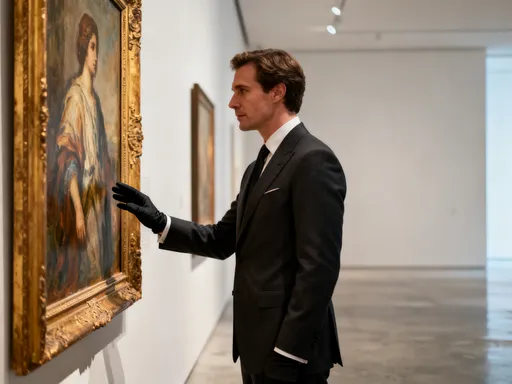
That said, treating culture as an investment requires the same diligence as any other financial decision. Provenance—documented history of ownership—is crucial. A painting’s value increases significantly if it comes with exhibition records, certificates of authenticity, or a clear chain of custody. Condition also matters; a well-preserved antique book or instrument will always command higher value than a damaged one. Market demand should be researched carefully. While passion is important, it shouldn’t override practical assessment. Are similar items selling at auctions? Are galleries showing work by the same artist? Is there a growing collector base for this type of object? These questions help ensure that your investment is grounded in reality, not just sentiment. When approached with care, cultural assets become more than decorative—they become strategic components of long-term financial health.
Avoiding the Hype Trap: When Passion Meets Caution
Enthusiasm is a natural part of cultural engagement. Whether it’s a local artist gaining sudden attention, a limited-edition release, or a festival that draws national media, it’s easy to get caught up in the excitement. I learned this the hard way when I purchased a sculpture advertised as “exclusive” and “limited to 25 pieces.” Eager to support the artist and own something unique, I bought one without verifying the claim. Later, I discovered that over 200 were actually produced—diluting scarcity and causing the resale value to drop. My emotional connection to the piece remained, but its financial potential faded quickly. That experience taught me a vital lesson: passion must be balanced with caution.
The cultural market, like any other, is susceptible to hype. Social media can amplify demand overnight, creating artificial scarcity or inflating prices beyond sustainable levels. Just because something is popular doesn’t mean it’s a good investment. To avoid the hype trap, it’s essential to slow down and evaluate objectively. Ask critical questions: Is this item truly rare, or is it being marketed as such? Who is verifying its authenticity? Is there a track record of value growth for similar items? Is the artist or creator recognized beyond a single viral moment? These checks help separate fleeting trends from lasting value.
One practical strategy I adopted is a 30-day waiting rule for any cultural purchase over a certain amount. This cooling-off period allows emotions to settle and gives time to research. I look up recent auction results, check gallery representation, and consult collector forums. Sometimes, the desire fades—and that’s a good thing. Other times, the research confirms the item’s potential, and I proceed with confidence. This discipline doesn’t diminish the joy of collecting; it enhances it by ensuring that each acquisition is both meaningful and well-considered. In the world of cultural investing, patience is not just a virtue—it’s a protective measure.
Building Networks That Boost Value
Value in cultural investing isn’t created in isolation. I’ve found that some of my most rewarding opportunities came not from online searches, but from personal connections—curators, collectors, artists, and cultural organizers who shared insights before they reached the broader market. Attending gallery openings, joining local art societies, and participating in artist talks didn’t just deepen my appreciation; they gave me early access to pieces, better pricing, and knowledge that wasn’t publicly available. For example, a conversation with a museum educator led me to a regional craft fair where I discovered a textile artist whose work later gained national recognition. Because I had built rapport, I was able to purchase pieces directly at studio prices—years before demand drove prices up.
These relationships didn’t form overnight, and they weren’t built solely for financial gain. Authentic engagement matters. Showing genuine interest in an artist’s process, supporting community events, or volunteering for cultural programs opens doors that transactional behavior cannot. People are more willing to share opportunities with those who care about the culture itself, not just its market value. Over time, these networks become invaluable. They provide context—understanding the story behind a piece increases its personal and cultural worth. They also offer practical benefits: tips on preservation, leads on upcoming sales, or introductions to appraisers and insurers.
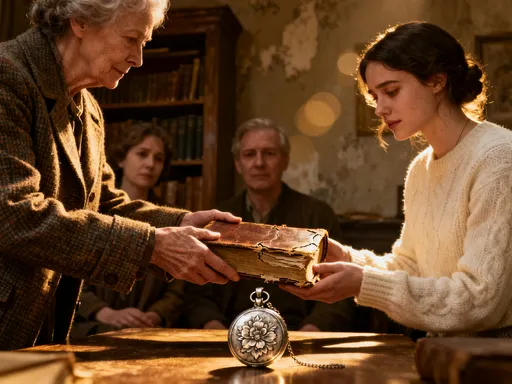
For families, these connections can become intergenerational resources. Children who grow up visiting studios, meeting makers, and understanding the value of craftsmanship develop a deeper relationship with culture—one that blends respect, knowledge, and financial literacy. As these networks grow, so does your ability to make informed decisions. You begin to recognize patterns: which artists are gaining institutional support, which traditions are being revived, which materials are becoming scarce. This insider perspective doesn’t guarantee profits, but it significantly improves your odds of making choices that stand the test of time. In cultural investing, knowledge is power—and relationships are the bridge to that knowledge.
Measuring Success Beyond Money
The true measure of success in cultural investing isn’t just how much an item has appreciated, but how much it enriches your daily life. I wake up every morning to a painting I bought over a decade ago—a vibrant landscape by an artist who has since gained national acclaim. Its market value has grown steadily, but what matters more is the joy it brings me each day. It connects me to a place I love, a moment in time, and a creative spirit I admire. That dual benefit—emotional fulfillment and financial prudence—is what makes this approach sustainable. Unlike speculative ventures that cause stress and sleepless nights, cultural investing rooted in passion feels balanced and meaningful.
I do track value, of course. I keep records of purchases, monitor auction trends, and occasionally consult appraisers. But I don’t obsess over short-term fluctuations. My focus is on long-term stewardship—preserving, understanding, and enjoying what I’ve collected. This mindset has helped me avoid the trap of chasing quick returns, which often leads to poor decisions. Instead, I celebrate milestones quietly: a piece loaned to a local exhibition, a child who learns to play a family-owned instrument, a craft tradition I’ve helped sustain by supporting its makers. These are the real returns.
In the end, this strategy isn’t about maximizing wealth at all costs. It’s about living with intention, aligning your spending with your values, and building a legacy that transcends money. By turning cultural passion into a thoughtful investment practice, I’ve found a way to honor art, support creators, and plan for the future—all at once. It’s a quieter path to financial resilience, one that grows not just assets, but appreciation. And for anyone willing to look beyond the price tag, it’s a journey worth beginning.