More Than Budgeting: How Tracking My Spending Built a Fitter, Calmer Me
We’ve all been there—rushing through the day, grabbing coffee on the go, scrolling through apps to unwind, only to wonder where the time and money went. I used to feel constantly behind, both physically and financially. But everything shifted when I started using an expense tracking app—not just to save money, but to build better habits. What began as a simple money audit quietly transformed my mornings, my workouts, and even my mindset. It wasn’t about cutting out joy or living with less. It was about creating space—space to breathe, to move, to feel like I was actually showing up for my life. And honestly? The most surprising part wasn’t the cash I saved. It was how much stronger, calmer, and more in control I began to feel—inside and out.
The Morning Rush That Revealed a Hidden Pattern
My days used to start the same way: alarm buzzing, snooze pressed twice, then a frantic scramble to get everyone out the door. I’d skip breakfast, grab a $5 latte on the way, toss a granola bar into my bag as lunch, and promise myself I’d ‘eat better tomorrow.’ Sound familiar? For years, I chalked it up to ‘just how busy life is.’ But when I downloaded a simple expense tracking app—mostly because I wanted to stop wondering where my paycheck disappeared to—I started seeing something I never expected: a pattern hiding in plain sight.
One Sunday evening, out of curiosity, I opened the app and reviewed my weekly spending. There it was: seven coffee shop visits in six days. Seven. That was over $35—money I could’ve used for a new pair of walking shoes or even a massage. But more than the number, it was the timing that caught my attention. Every coffee purchase lined up with a morning where I’d skipped breakfast, felt sluggish by 10 a.m., and then told myself I ‘needed energy.’ It wasn’t caffeine I was after—it was stability. I was using money to patch a hole in my routine, not because I was careless, but because I was running on empty.
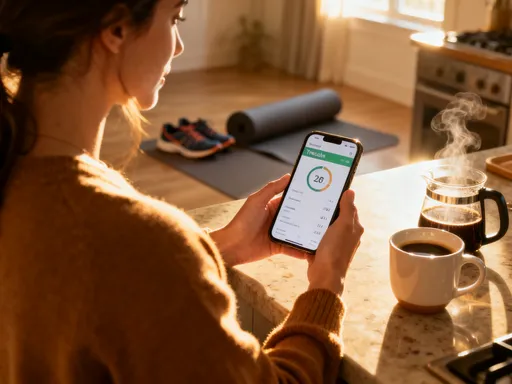
That realization hit me like a quiet thunderclap. What if the reason I felt so scattered wasn’t just that I had too much to do—but that I wasn’t fueling myself properly, physically or financially? The app didn’t judge me. It didn’t shame me. It just showed me the truth, clearly and calmly. And in that moment, I decided to stop treating it like just a budget tool. Instead, I started seeing it as a mirror—one that reflected not just my spending, but my energy, my choices, and my self-care.
Connecting Dollars to Daily Energy Levels
Once I started paying attention, I couldn’t stop noticing connections. I began tagging my expenses with little notes—just a word or two about how I was feeling when I made the purchase. “Stressed” next to a midday snack run. “Tired” after an online clothing order. “Lonely” beside a dinner for one from my favorite takeout spot. It felt a little silly at first, like I was journaling through receipts. But within two weeks, a story started to unfold.
I saw that on days I skipped my walk or didn’t make time to stretch, I was more likely to order food late at night—especially something salty or sweet. And those weren’t just random cravings. They were my body asking for comfort in the only way it knew how. Meanwhile, the days I moved my body—really moved it, even if it was just 20 minutes of dancing in the living room while dinner cooked—I spent less. I felt more centered. I didn’t need to ‘treat’ myself because I already felt taken care of.
The app’s timeline feature started to show me this clearly. I could scroll through and see spikes in spending right after late work emails or back-to-back Zoom calls. My impulse buys weren’t about desire—they were about relief. And once I saw that, I could start to respond differently. Instead of reaching for my wallet, I’d take five deep breaths. I’d step outside. I’d call a friend. The money I saved was nice, but the real win was recognizing that my financial choices and my physical well-being were deeply linked. One didn’t happen in a vacuum. They fed each other—either in a cycle of depletion or in a rhythm of renewal.
Small Wins That Built Momentum
I didn’t try to overhaul everything at once. That’s what I’ve learned—big changes rarely stick when they feel like punishment. Instead, I picked one small thing: making coffee at home. It wasn’t about giving up my favorite drink. It was about reclaiming a moment. I bought a simple French press, found a local roaster with beans I loved, and turned my morning brew into a ritual. Ten minutes of quiet, the smell of coffee filling the kitchen, me standing there in my robe, just breathing.
The first week, I saved $25. I didn’t put it in savings or pay a bill. I moved it into a separate account I named “Me Fund.” That’s where every little win went—the money I didn’t spend on parking because I walked, the lunch I packed instead of bought, the subscription I finally canceled. And slowly, that fund grew. Then came the best part: I started using it for things that made me feel strong. I signed up for a beginner yoga class at the community center. I bought a pair of supportive walking shoes that actually fit. I even treated myself to a foam roller after my first 30-day movement challenge.
Here’s what surprised me: every time I used that fund, I didn’t feel guilty. I felt proud. Because I wasn’t spending money I didn’t have—I was using money I had earned through small, consistent choices. The app sent little notifications—“$12 saved this week!”—and at first, I ignored them. But over time, they started to feel like high-fives. Not from some corporate algorithm, but from myself. I was learning that discipline isn’t about denial. It’s about direction. It’s choosing, again and again, to show up for the version of yourself you’re trying to become.
Designing a Routine That Works With My Life
One of the things I love most about the app is that it doesn’t expect perfection. It syncs with my calendar, so I can see when I’m busy and plan accordingly. On days when I have back-to-back meetings, it doesn’t nag me to meal prep or track every penny. Instead, it gently suggests, “Looks like a full day. Maybe pack a snack?” It feels less like a taskmaster and more like a thoughtful friend who knows my rhythm.
I started using that sync feature to build what I call “budget-friendly active days.” For example, on grocery delivery days, I schedule a 20-minute yoga flow before the doorbell rings. On lunch breaks when I’m working from home, I take a 15-minute walk around the block instead of scrolling. These aren’t grand gestures. They’re tiny acts of care that fit into the life I already have. And because they’re tied to things I’m already doing—like waiting for groceries or stepping away from the screen—they don’t feel like extra work.
I also invited a close friend to join me in tracking—not to compare, but to share. We set a friendly challenge: whoever saved more in a month got to pick the next movie night theme. It wasn’t about competition. It was about connection. We’d text each other little wins—“Made smoothies all week!” or “Walked instead of drove to the pharmacy!”—and celebrate like we’d won the lottery. Having someone who understood the small victories made all the difference. It turned a personal habit into a shared journey, and that made it easier to keep going.
The Confidence That Comes From Seeing Progress
About eight weeks in, I opened the app and just stared. My “Me Fund” had grown to over $200. My weekly food spending had dropped by nearly 40%, mostly because I was cooking more and ordering less. But the numbers only told half the story. The other half? I was sleeping better. I had more energy by midday. I’d started taking the stairs without thinking about it. And one morning, I realized my favorite jeans fit differently—not tighter or looser, but like they belonged to someone who felt good in her skin.
I used to think confidence came from big achievements—getting a promotion, losing a certain number of pounds, checking off a long to-do list. But what I’ve learned is that real confidence builds in the quiet moments. It’s in the choice to make coffee instead of buying it. It’s in the walk you take even when you’re tired. It’s in the way you start to trust yourself—because you’re doing what you said you would, day after day.
Financial awareness and physical health aren’t separate goals. They’re two threads woven into the same fabric: self-trust. When I honor my budget, I’m also honoring my time and energy. When I move my body, I’m also calming my mind and stabilizing my mood. And when I see progress in one area, it spills over into the others. The app didn’t give me discipline. It gave me proof—proof that I could make choices that added up to a life I actually wanted to live.
How Tech Became My Quiet Coach
I’ll admit, I was skeptical at first. I thought budgeting apps were for people who loved spreadsheets or had strict financial goals. But this one felt different. It didn’t shout at me when I overspent. It didn’t lock me out of categories or shame me for a treat. Instead, it showed me trends—gentle, clear patterns that helped me pause and ask, “Is this really what I want right now?”
One evening, I was about to click “order now” on a pair of boots I didn’t need. The app had just sent a weekly summary: “You’ve saved $30 on dining out this week.” Something about that small win made me stop. I thought, “I could save this $80 and add it to my Me Fund. That’s two yoga classes. That’s a massage. That’s progress.” I closed the tab. Not because I felt guilty, but because I felt clear.
That’s the thing about having a tool that reflects your habits back to you—it helps you see yourself more honestly. Over time, those micro-moments of awareness added up. I started asking myself questions before spending: “Will this add value to my life?” “Am I doing this out of habit or true desire?” “What else could this money support?” The app didn’t make the decisions for me. It just gave me the space to make them with intention. And that space? That’s where real change begins.
A Life That Feels Lighter—In Every Way
Looking back, the real win wasn’t the $500 I saved in three months. It wasn’t even the new yoga pants or the massage I treated myself to. The real win was the shift inside me—the quiet confidence that comes from knowing I can make choices that honor both my wallet and my well-being. I don’t feel deprived. I feel empowered. I don’t feel like I’m managing my life. I feel like I’m living it—on my terms.
The app didn’t change my life overnight. But it gave me something priceless: clarity. It helped me see the connections between my spending, my energy, and my self-worth. And once I saw them, I could start to shape them. I built a routine that works with my life, not against it. I found joy in small, sustainable choices. And I discovered that taking care of myself isn’t selfish—it’s essential.
If you’ve ever felt like you’re running on autopilot—spending without thinking, moving through your days without presence—I get it. I was there. But what I’ve learned is that you don’t need a complete overhaul to feel better. You just need one small change. One tool. One moment of awareness. And from there, everything else can begin to shift. Because when you start paying attention—not with judgment, but with kindness—you start to build a life that feels lighter. In every way.