What I Learned from Messing Up My TCM Diet
Have you ever followed a wellness trend only to feel worse? I did—especially when I misunderstood traditional Chinese medicine dietary rules. What I thought was “detoxing” left me exhausted and confused. Turns out, many of us get it wrong, not because we’re careless, but because we miss key principles. This is my story of learning the hard way—and what actually works when adjusting your body the TCM way.
My Wake-Up Call: When “Healthy” Eating Backfired
For months, I believed I was doing everything right. I had read several articles online about how to eat according to traditional Chinese medicine (TCM), and I was determined to improve my health. I cut out cold foods, avoided sugar, eliminated dairy, and stopped eating raw vegetables. I drank warm water throughout the day and started every morning with ginger tea. I even gave up fruit for fear it would create “dampness” in my body. My intention was pure: I wanted to strengthen my digestion, boost energy, and support my immune system. But instead of feeling better, I began to feel worse.
By the third week, I was constantly tired. My digestion, which I had hoped to improve, became sluggish. I felt bloated after meals, had difficulty concentrating, and my sleep grew restless. I wasn’t just undernourished—I was unbalanced. It wasn’t until I spoke with a licensed TCM practitioner that I realized the root of the problem: I had treated TCM dietary principles like rigid rules, rather than flexible guidelines tailored to individual needs. I had assumed that what worked for one person would work for me, without considering my unique constitution.
In TCM, the body is viewed as a dynamic system of energy, or Qi, flowing through meridians. Health is not defined by strict diets or food bans, but by harmony among internal organs and balance between yin and yang. One of the most important lessons I learned was that TCM does not promote universal dietary restrictions. Instead, it emphasizes personalization. What may be healing for someone with excess heat may be harmful for someone with a cold constitution. My mistake was treating all cold foods as enemies, when in reality, my body needed warmth and nourishment—not deprivation.
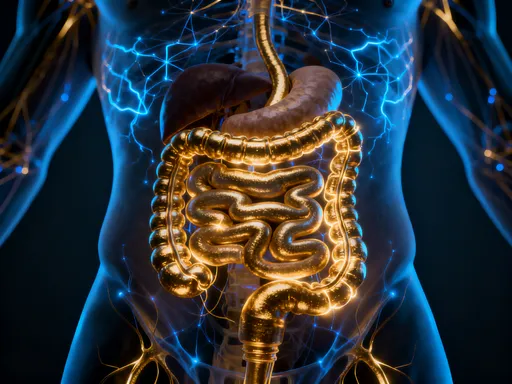
The turning point came when the practitioner explained that my symptoms—fatigue, poor digestion, and cold limbs—were classic signs of Spleen Qi deficiency. In TCM, the Spleen is responsible for transforming food into usable energy. When over-restricted or overburdened, it weakens. My extreme diet had starved my Spleen of the nutrients it needed to function. Rather than detoxing, I had weakened my foundation. This was not a failure of willpower, but a failure of understanding. I had followed advice without context, and my body responded with clear signals I had ignored.
The Myth of Universal Food Taboos
One of the most widespread misconceptions about TCM nutrition is the idea that certain foods are inherently “bad” or should be avoided by everyone. You’ve probably heard it before: “Don’t eat cold foods,” “Avoid sugar to prevent dampness,” or “No raw vegetables during winter.” These blanket statements circulate widely on social media, often stripped of their original context. But in traditional Chinese medicine, food is not judged as good or bad in absolute terms. Instead, it is evaluated based on its energetic properties—such as temperature (hot, warm, neutral, cool, cold), taste (sweet, sour, bitter, pungent, salty), and its effect on the body’s internal environment.
For example, watermelon is considered a cold food, which means it can help clear heat and reduce inflammation in someone with a hot constitution. However, for someone with a cold constitution—marked by fatigue, loose stools, and sensitivity to cold—eating too much watermelon could worsen digestive weakness and deplete Yang Qi. The same food can be medicinal for one person and harmful for another. This is why TCM practitioners never prescribe diets based on trends, but on careful assessment of the individual’s pulse, tongue, symptoms, and lifestyle.
I learned this the hard way when I stopped eating fruit entirely during the winter months. I had read that cold-natured fruits like apples and pears could damage the Spleen in cold weather. So I avoided them completely, thinking I was protecting my digestion. But instead of feeling stronger, I developed dry skin, a persistent dry cough, and constipation. When I mentioned this to my practitioner, she gently pointed out that autumn and winter are actually ideal times to eat moistening fruits like pears to nourish the lungs and prevent dryness. By avoiding them out of fear, I had created a new imbalance—yin deficiency with dryness—while trying to prevent another.
The lesson here is clear: food taboos in TCM are not one-size-fits-all. They depend on your body type, the season, your environment, and your current health state. A food that is inappropriate today might be beneficial next month if your condition changes. The goal is not to eliminate entire food groups, but to understand how different foods interact with your body and to make informed, flexible choices. True balance comes not from restriction, but from discernment.
Misreading “Detox” in a TCM Context
The word “detox” has become a buzzword in modern wellness culture. Juice cleanses, fasting, and elimination diets are often marketed as ways to “reset” the body. When I first explored TCM, I assumed that these Western detox methods aligned with traditional practices. I thought that by cutting out “heavy” foods like meat, grains, and fats, I was helping my body eliminate toxins and restore balance. I tried a five-day congee-only diet, believing it would “clear dampness” and strengthen my Spleen. Instead, I felt weaker, dizzy, and emotionally drained.
What I didn’t realize at the time was that TCM’s concept of detoxification is fundamentally different from the Western idea of cleansing. In TCM, “toxins” are not just environmental chemicals or undigested food—they are imbalances in the body’s internal environment, such as excess dampness, heat, or stagnation of Qi. The goal is not to purge the body through extreme measures, but to support the organs—especially the Liver, Spleen, and Kidneys—in their natural functions of transformation and elimination. This is done through gentle, sustained practices, not short-term extremes.
For instance, dampness in TCM refers to a buildup of fluid or metabolic waste that leads to symptoms like bloating, heaviness, and sluggish digestion. It is often caused by poor diet, emotional stress, or environmental dampness. Rather than fasting to “dry out” dampness, TCM recommends eating warm, cooked foods that are easy to digest, such as soups, stews, and roasted vegetables. It also emphasizes avoiding excessive raw, greasy, or sweet foods that burden the Spleen. The focus is on strengthening the organ’s function, not depriving it.
My congee-only diet, while seemingly aligned with TCM principles, was too restrictive. Congee is indeed a nourishing food in TCM—it is easy to digest and supports Spleen Qi. But eating nothing else for days deprived my body of essential proteins, healthy fats, and micronutrients. Over time, this weakened my Qi further and impaired my body’s ability to metabolize food properly. I had mistaken restriction for healing, not realizing that prolonged fasting or mono-diets can damage the very systems they are meant to support. True detoxification in TCM is not about deprivation, but about restoring function and flow.
Why Timing and Preparation Matter More Than Elimination
One of the most empowering insights I gained from studying TCM with a practitioner is that it’s not just what you eat, but how and when you eat it. The energetic nature of food can be transformed through cooking methods, combinations, and timing. For example, a raw pear is cooling and moistening—ideal for someone with lung dryness in autumn. But if you have a cold constitution, eating it raw might cause digestive discomfort. However, if you cook the pear with warming ingredients like ginger, cinnamon, or goji berries, its cooling effect is moderated, and it becomes a nourishing remedy for dry coughs without harming the Spleen.
This principle applies to many so-called “cold” foods. Bananas, for instance, are often avoided in TCM discussions due to their cooling nature. But when gently warmed or cooked into a warm oatmeal with cinnamon, they become a gentle source of nourishment that supports digestion rather than impairing it. Similarly, tomatoes are considered cooling, but when stewed with onions, garlic, and herbs, they become part of a warming dish that supports circulation and digestion. The way food is prepared changes its impact on the body.
Seasonality is another crucial factor. TCM teaches that our diets should shift with the seasons to stay in harmony with nature. In summer, when external heat is high, it’s natural to consume slightly cooling foods like cucumber, melon, or mung beans to prevent overheating. In winter, the focus shifts to warming, nourishing foods like bone broths, root vegetables, and hearty grains to conserve Yang energy. I used to avoid pears year-round, fearing their cold nature. But my practitioner encouraged me to enjoy them in autumn, when dry air affects the lungs, and to prepare them warm if I felt any digestive sensitivity.
Even meal timing plays a role. TCM emphasizes eating the largest meal at lunchtime, when digestive fire (Spleen and Stomach Qi) is strongest, and having a lighter dinner to avoid overburdening the system at night. I had been skipping lunch to “save calories” and eating a large dinner instead—exactly the opposite of what supports digestive health. Once I shifted my eating pattern, my energy levels improved, and my bloating decreased. These small adjustments, grounded in TCM wisdom, made a bigger difference than any food elimination ever did.
The Hidden Cost of Copying Trends Without Guidance
Today, TCM concepts like “eating for your constitution” or “avoiding damp-forming foods” are everywhere—on Instagram, wellness blogs, and TikTok videos. While increased awareness is positive, the oversimplification of these principles can be misleading. I’ve seen friends eliminate entire food groups based on a single article or a viral post. One stopped eating all fruit because she read it “feeds dampness.” Another gave up carbohydrates entirely, believing grains were the root of her fatigue. None of them consulted a practitioner. And over time, several developed new symptoms—low energy, mood swings, irregular cycles—that they hadn’t had before.
The danger lies in self-diagnosis. TCM is a complex medical system that requires training to apply correctly. A qualified practitioner doesn’t just look at symptoms—they assess the whole person. They examine the tongue (for color, coating, and shape), feel the pulse (for quality, depth, and rhythm), and ask detailed questions about sleep, digestion, emotions, and lifestyle. Only then can they determine whether someone has a hot or cold constitution, excess or deficiency, and recommend appropriate dietary and herbal support.
Without this assessment, well-meaning efforts can backfire. For example, someone with true damp-heat might benefit from reducing greasy and sweet foods. But someone with Spleen Qi deficiency may already be too weak and could worsen if they cut out nourishing foods like sweet potatoes or cooked grains. The same dietary advice can have opposite effects depending on the underlying pattern. This is why copying trends—no matter how popular—is risky.
Social media often presents TCM as a set of rules to follow, but in reality, it is a dynamic, individualized practice. A food that is healing for one person may be inappropriate for another, even if they share similar symptoms. The key is not to follow a diet because it’s trending, but to understand your body’s signals and seek professional guidance when making significant changes. Wellness is not about perfection—it’s about making informed, compassionate choices that support long-term health.
Rebuilding Balance: What Actually Helped Me
After my wake-up call, I decided to approach TCM with humility and curiosity. I began working with a licensed practitioner who helped me understand my constitution: I was diagnosed with Spleen Qi deficiency with mild yin deficiency. This explained my fatigue, poor digestion, and tendency toward dryness. Instead of prescribing a restrictive diet, she recommended warm, cooked, easily digestible foods that would nourish my Qi without overburdening my system. My meals became simple but satisfying: congee with ginger and dates for breakfast, steamed vegetables with lean protein for lunch, and soups or stews for dinner.
One of the most liberating changes was learning to reintroduce foods I had feared. I started eating small amounts of fruit again—pears cooked with goji berries in the fall, apples baked with cinnamon in the winter. I added back healthy fats like sesame oil and small portions of nuts, which helped lubricate my intestines and improve my skin. I even began enjoying a small piece of dark chocolate occasionally, something I had once considered “damp-forming.” The key was moderation and timing—eating these foods in balance with my main nourishing meals.
I also paid attention to how I felt after eating. Did I have energy? Was my digestion comfortable? Was my sleep deep? These became my guides. Over time, the changes were profound. My digestion improved—no more bloating or fatigue after meals. My energy stabilized throughout the day. I slept more deeply and woke up feeling rested. My skin became softer, and my mood more even. I hadn’t achieved perfection, but I had found balance.
What surprised me most was how sustainable this approach felt. Unlike my previous extreme diet, which I could barely last a few weeks on, this way of eating felt natural and nurturing. I wasn’t chasing a quick fix—I was building a foundation for lifelong health. I had learned that TCM is not about fear or punishment, but about care, awareness, and harmony. Healing wasn’t in what I removed, but in what I restored: nourishment, rhythm, and trust in my body’s wisdom.
How to Adjust Wisely—Without Falling Into the Restriction Trap
If you’re considering adjusting your diet based on TCM principles, there are a few key questions to ask yourself before making changes. First, what are your current symptoms? Are you fatigued, bloated, overheated, or cold? These clues can point to underlying imbalances. Second, what is your lifestyle like? Do you eat regularly, sleep well, and manage stress? TCM considers all these factors, not just food. Third, are you making changes based on personal observation, or are you following a trend? It’s important to distinguish between what feels right for your body and what sounds good in theory.
There are also signs that your diet might be doing more harm than good. If you’re feeling more tired, anxious, or physically unwell after starting a new regimen, it may not be the right fit. Other red flags include obsessive thoughts about food, social isolation due to dietary restrictions, or digestive issues that worsen instead of improve. In TCM, the goal is always to support the body’s natural functions, not to push it into extremes. If a diet leaves you feeling depleted, it’s likely weakening your Qi rather than strengthening it.
The most important principle I’ve learned is to prioritize harmony over purity. TCM is not about eating perfectly or eliminating every “forbidden” food. It’s about creating a diet that supports your unique constitution and adapts to your changing needs. It’s about warmth, rhythm, and nourishment. It’s about listening to your body—the truest guide you have. When in doubt, seek guidance from a qualified TCM practitioner. They can help you interpret your symptoms, understand your constitution, and make safe, effective adjustments.
Remember, wellness is a journey, not a destination. There will be missteps, and that’s okay. What matters is learning from them with kindness and returning to balance with wisdom. True health is not found in rigid rules, but in flexible, informed choices that honor your body’s needs.
True TCM wellness isn’t about strict bans or trendy cleanses—it’s about awareness, balance, and personalization. My journey taught me that the most effective adjustments are gentle, informed, and sustainable. Instead of chasing perfection, focus on progress, and always seek professional advice when making significant changes. Your body will thank you.