Youth on Your Side: How I Turned Back Time Without Needing a Miracle
Aging doesn’t have to mean slowing down. I used to feel tired, look dull, and dread the mirror—until I shifted my daily habits with real, science-backed choices. This isn’t about extreme fixes or magic pills. It’s about smart, sustainable changes that actually work. I didn’t want to chase youth; I wanted to feel like myself again—energized, confident, and in control. What I discovered wasn’t a secret formula, but a series of small, intentional decisions grounded in research and self-respect. This is how I reclaimed my vitality, not through miracles, but through mindful living.
The Reality of Aging: Why It’s Not Just About Wrinkles
Aging is often reduced to visible signs—fine lines, gray hair, or changes in skin texture. But the truth is, aging begins far beneath the surface, affecting how we feel, move, and recover from everyday life. After 30, many women notice a shift: energy dips in the afternoon, muscles feel stiffer after light activity, and sleep becomes less restful. These aren’t just inconveniences; they’re signals from the body that biological changes are underway. One of the key processes is cellular aging, where cells gradually lose their ability to divide and repair efficiently. Telomeres, the protective caps at the ends of our chromosomes, shorten with each cell division, and when they become too short, cells can no longer replicate. This contributes to tissue aging and slower healing.
Another major factor is oxidative stress, caused by an imbalance between free radicals and antioxidants in the body. Free radicals are natural byproducts of metabolism, but when they accumulate—due to poor diet, pollution, or chronic stress—they damage cells, proteins, and DNA. This damage accelerates aging and increases the risk of long-term health issues. Inflammation also plays a role. While acute inflammation is a normal immune response, chronic low-grade inflammation, often silent, is linked to aging-related conditions such as joint stiffness, weight gain, and cognitive decline. These internal shifts explain why someone might look fine on the outside but feel consistently fatigued or mentally foggy.
Yet, many people believe aging is something that simply happens to them—determined by genetics and time. While genes do influence how we age, lifestyle choices have a powerful impact. Research from the National Institute on Aging shows that up to 70% of how we age is influenced by behavior, not DNA. This means that daily decisions about what we eat, how we move, and how we manage stress can either slow down or speed up the aging process. For example, a woman who prioritizes balanced meals, regular movement, and quality sleep often reports feeling more vibrant than her chronological age suggests. The key is recognizing that aging is not a passive experience. It’s something we can influence through consistent, thoughtful choices that support the body’s natural functions.
Mindset Shift: From Fighting Time to Supporting Your Body
One of the most profound changes I made wasn’t physical—it was mental. I used to see aging as an enemy to fight, something to resist with every skincare product and restrictive diet I could find. But this mindset only led to frustration and self-criticism. The turning point came when I realized that aging is not a failure. It’s a natural, inevitable part of life—one that brings wisdom, depth, and resilience. Instead of fighting my body, I began to ask: How can I support it? This subtle shift in perspective transformed my relationship with aging. I stopped chasing perfection and started focusing on care, listening to my body’s needs with kindness rather than judgment.
Stress and negative self-talk are often overlooked accelerators of aging. When we constantly criticize our appearance or feel anxious about getting older, the body responds by releasing cortisol, the primary stress hormone. Over time, elevated cortisol levels can impair immune function, disrupt sleep, and contribute to weight gain, especially around the abdomen. They can also affect skin health, leading to breakouts, dryness, or premature wrinkling. Emotional stress shows up physically, and the more we resist aging, the more we may unintentionally fuel the very changes we fear. Studies from the American Psychological Association highlight that chronic stress can shorten telomeres, literally accelerating cellular aging.
So how do we shift this pattern? One effective practice is gratitude journaling. Taking just five minutes each day to write down three things you’re grateful for—your morning coffee, a phone call with a friend, a moment of quiet—can reduce stress and improve emotional well-being. Another powerful tool is reframing. Instead of thinking, "I’m getting older," try, "I’m growing wiser." Instead of "My skin is changing," say, "My skin has carried me through decades of life." These small language shifts reinforce a sense of agency and appreciation. Aging becomes less about loss and more about evolution. Self-care, not self-correction, becomes the goal. And when we treat our bodies as allies rather than adversaries, we create the internal environment where health and vitality can thrive.
The Pillars of Anti-Aging: Nutrition, Sleep, and Movement
If there’s a foundation for healthy aging, it rests on three pillars: nutrition, sleep, and movement. These are not trends or quick fixes—they are the core behaviors supported by decades of scientific research. Each one plays a unique role in maintaining energy, supporting cell repair, and preserving long-term health. The good news? They don’t require drastic overhauls. Small, consistent changes in these areas can lead to meaningful improvements in how you feel and look over time.
Nutrition is perhaps the most direct way to influence aging from within. The foods we eat either fuel inflammation or help reduce it. A diet high in processed sugars, refined carbohydrates, and unhealthy fats can increase oxidative stress and accelerate cellular damage. On the other hand, a balanced diet rich in antioxidants, fiber, and healthy fats supports repair and protection. Focus on whole, colorful foods: leafy greens, berries, nuts, seeds, fatty fish like salmon, and olive oil. These contain nutrients like omega-3 fatty acids, vitamin C, and polyphenols that neutralize free radicals and support skin elasticity, brain function, and joint health. Instead of skipping meals or following extreme diets, aim for regular, balanced eating. A simple swap—like choosing an apple with almond butter instead of a sugary pastry—can stabilize blood sugar and reduce energy crashes.
Sleep is equally critical. During deep sleep, the body repairs tissues, balances hormones, and clears out metabolic waste from the brain. Poor sleep disrupts cortisol and insulin regulation, increases appetite, and impairs cognitive function. Over time, chronic sleep deprivation is linked to accelerated aging and higher risk of health issues. Yet, many women in their 30s to 50s struggle with sleep due to stress, hormonal changes, or lifestyle demands. The solution isn’t perfection—it’s consistency. Establish a bedtime routine: dim the lights an hour before sleep, avoid screens, and create a calming ritual, whether it’s reading, gentle stretching, or drinking herbal tea. Aim for 7–8 hours of quality rest most nights. Even small improvements in sleep quality can lead to noticeable gains in energy and mood.
Movement doesn’t mean intense workouts or hours at the gym. For anti-aging, consistency matters more than intensity. Regular physical activity improves circulation, supports muscle mass, and enhances mitochondrial function—the energy factories within cells. Walking is one of the most effective and accessible forms of movement. Just 30 minutes a day can improve heart health, boost mood, and support joint flexibility. Strength training, even with light weights or bodyweight exercises, helps preserve muscle mass, which naturally declines with age. Flexibility and balance practices, like yoga or tai chi, reduce injury risk and support mobility. The goal isn’t to look a certain way, but to feel strong, capable, and resilient. When movement becomes a form of self-respect rather than punishment, it becomes sustainable for life.
Skincare from the Inside Out: What Actually Works
While skincare products have their place, true skin health begins inside the body. No cream can fully compensate for dehydration, poor digestion, or chronic inflammation. The skin is an organ, and like any organ, it reflects overall health. Dullness, uneven texture, and breakouts are often signs of internal imbalances. Understanding this connection allows for more effective, lasting results.
Hydration is one of the simplest yet most powerful tools. Water supports every bodily function, including skin elasticity and detoxification. When dehydrated, the skin can appear dry, tight, or flaky. Drinking enough water throughout the day—starting with a glass first thing in the morning—helps maintain plumpness and clarity. Herbal teas and water-rich foods like cucumbers and melons also contribute to hydration. At the same time, reducing intake of dehydrating substances like alcohol and excess caffeine can make a visible difference.
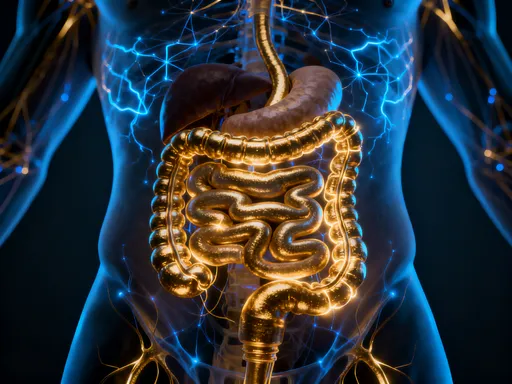
The gut-skin connection is another key factor. Research shows that gut health influences inflammation levels, which directly affect skin conditions like acne, rosacea, and eczema. A diverse, fiber-rich diet feeds beneficial gut bacteria, which in turn support a healthy immune response and reduce systemic inflammation. Probiotic-rich foods like yogurt, kefir, sauerkraut, and kimchi can also promote balance in the gut microbiome. When the gut is functioning well, the skin often becomes clearer and more radiant.
Inflammation is a common culprit behind premature aging signs. Diets high in sugar and processed foods trigger inflammatory responses that break down collagen and elastin, leading to sagging and fine lines. Reducing added sugars, especially from sugary drinks and snacks, can significantly improve skin texture and glow. Instead, focus on anti-inflammatory foods: fatty fish, walnuts, berries, leafy greens, and turmeric. These support the skin’s natural repair processes. Finally, managing stress and getting enough sleep also impact skin health. Cortisol increases oil production, which can lead to breakouts, while poor sleep reduces skin regeneration. By addressing these internal factors, skincare becomes less about covering up and more about nurturing from within.
Stress and Aging: The Hidden Accelerator
Stress is often invisible, but its effects on aging are very real. Chronic stress doesn’t just make you feel overwhelmed—it alters your biology in ways that speed up the aging process. When stress becomes constant, the body remains in a state of heightened alert, releasing cortisol and adrenaline over long periods. This sustained activation wears down systems that are meant to function in balance. Over time, it affects everything from energy levels to immune function to skin health.
Physically, chronic stress can show up in subtle but telling ways: dark circles under the eyes, thinning hair, slower wound healing, and increased sensitivity. These are not just cosmetic concerns—they are signs that the body is under strain. Elevated cortisol suppresses non-essential functions, including tissue repair and immune response, to prioritize immediate survival. This means the body has fewer resources to maintain skin integrity, fight off infections, or recover from daily wear and tear. Studies have shown that people under chronic stress have shorter telomeres, indicating accelerated cellular aging.
The good news is that stress can be managed, even in demanding lives. One of the most effective tools is breathwork. Simple practices, like diaphragmatic breathing or box breathing (inhale for four counts, hold for four, exhale for four, hold for four), can activate the parasympathetic nervous system, which calms the body and lowers cortisol. Taking just five minutes a day to breathe deeply can make a measurable difference in stress levels. Another powerful strategy is spending time in nature. Whether it’s a walk in the park, gardening, or sitting under a tree, natural environments have been shown to reduce stress hormones and improve mood. Even brief exposure can have restorative effects.
Digital detoxing is also essential. Constant notifications, screen time, and information overload keep the brain in a state of hyperarousal. Setting boundaries—like no screens during meals or an hour before bed—can reduce mental fatigue and improve sleep quality. Creating space for quiet, uninterrupted moments allows the nervous system to reset. The goal isn’t to eliminate stress entirely—that’s neither possible nor desirable. Healthy stress, like the kind from exercise or meaningful challenges, can be motivating. The aim is to manage chronic, unrelenting stress that undermines long-term health. By building small, regular practices into daily life, we can protect our bodies from its aging effects.
Habits That Add Up: Small Changes, Big Results
Transformation doesn’t come from one dramatic change. It comes from the quiet power of consistency—small choices repeated over time. The habits that make the biggest difference in aging well are often the simplest: drinking water upon waking, stepping outside for morning light, taking a short walk after dinner. These actions may seem minor, but their cumulative effect is profound.
Morning sunlight exposure, for example, helps regulate the circadian rhythm, the body’s internal clock that controls sleep, hormone release, and metabolism. Just 10–15 minutes of natural light in the morning can improve alertness, mood, and sleep quality. It signals to the brain that the day has begun, suppressing melatonin and boosting cortisol in a healthy, balanced way. This sets the tone for better energy throughout the day and deeper sleep at night. Similarly, setting a daily step goal—such as 7,000 to 10,000 steps—encourages consistent movement without the pressure of intense exercise. Walking improves circulation, supports joint health, and enhances mental clarity.
Evening wind-down rituals are equally important. Creating a routine that signals the body it’s time to rest—dimming lights, sipping herbal tea, reading a book—helps transition from activity to relaxation. This reduces the likelihood of tossing and turning or waking up unrested. Over time, these habits become automatic, requiring less effort and willpower. The key is to start small and build gradually. Pick one habit, practice it for a few weeks, then add another. When changes feel manageable, they’re more likely to stick. And as these habits compound, the results become visible: more energy, better skin, improved mood, and a greater sense of control. Aging well isn’t about doing everything perfectly. It’s about doing a few things consistently.
When to Seek Help: Knowing the Limits of Lifestyle
Lifestyle choices are powerful, but they are not a substitute for professional care. There comes a point when self-help strategies aren’t enough—and that’s okay. In fact, recognizing when to seek help is a sign of strength, not failure. Certain symptoms—persistent fatigue, unexplained weight changes, mood swings, or sudden shifts in skin or hair—may indicate underlying health issues that require medical evaluation.
Regular check-ups and blood work are essential tools for understanding your body’s internal landscape. Tests can reveal imbalances in thyroid function, vitamin deficiencies, hormone levels, or inflammation markers—factors that significantly influence energy, mood, and aging. For example, low vitamin D or iron can cause fatigue and hair thinning, while thyroid dysfunction can affect metabolism and weight. These conditions are treatable, but they can’t be managed through diet and exercise alone. Working with a healthcare provider allows for accurate diagnosis and personalized treatment.
It’s also important to avoid self-diagnosing or chasing health trends. The internet is full of conflicting advice, and what works for one person may not be right for another. Supplements, detoxes, or extreme diets should never be adopted without professional guidance. Some can interfere with medications or worsen existing conditions. A registered dietitian, endocrinologist, or therapist can provide evidence-based support tailored to your needs. Building a support team—doctors, nutritionists, mental health professionals—empowers you to make informed decisions. Health is not a solo journey. It’s a collaboration between self-care and expert care.
Aging Well Is Within Reach
True anti-aging isn’t about looking 20 again. It’s about feeling strong, clear, and vibrant at every stage of life. The journey isn’t about perfection—it’s about progress, kindness, and consistency. By shifting mindset, supporting the body with nutrition, sleep, and movement, and managing stress with intention, aging becomes something to embrace, not fear. The choices that matter most are the ones made daily: what you eat, how you move, how you rest, and how you treat yourself.
Science shows that we have more influence over how we age than we often realize. While time moves forward, vitality doesn’t have to fade. With informed, compassionate choices, it’s possible to feel more like yourself—energized, confident, and at peace. Aging well isn’t a destination. It’s a practice. And it starts with the next small, kind decision you make for your body and mind.