You Won’t Believe How Fast This Anti-Aging Diet Shift Worked
As I stared at my reflection, fine lines more defined and energy fading, I knew something had to change—fast. Aging isn’t just time ticking by; it’s what we feed our bodies every day. What if the real anti-aging secret isn’t expensive creams or treatments, but what’s on your plate? Science shows diet directly impacts how we age, from skin elasticity to cellular health. I tested simple, research-backed food shifts—and saw real results in weeks. This is not magic. It’s method.
The Wake-Up Call: When Aging Hits Differently
There comes a moment for many women in their mid-30s and beyond when the mirror tells a new story. It’s not just about seeing the first silver strand or noticing a few extra lines near the eyes. It’s the subtle shift in how the body feels—the slower recovery after a long day, the morning stiffness that wasn’t there before, the skin that no longer bounces back like it once did. For some, it’s waking up tired despite a full night’s sleep, or struggling to focus during tasks that used to feel effortless. These are not just signs of getting older. They are signals—your body’s way of asking for better nourishment.
For years, many of us believed aging was an inevitable decline, something to be accepted rather than challenged. We trusted creams promising miracles and treatments with big price tags, hoping they would slow the clock. But science now shows that while time moves forward, the rate at which we age—both internally and externally—is far more flexible than we once thought. Our genes play a role, yes, but lifestyle choices, especially diet, have a profound influence on how we look and feel as the years pass.
Diet is not just about weight management. It is a daily conversation between food and cells. Every bite either supports renewal or accelerates breakdown. Processed foods, excess sugar, and unhealthy fats trigger inflammation and oxidative stress—two key drivers of aging. On the other hand, whole, nutrient-rich foods provide the building blocks for collagen, repair DNA damage, and protect energy-producing mitochondria. The good news? You don’t need to overhaul your life overnight. Small, consistent changes in what you eat can lead to noticeable improvements in energy, skin clarity, and overall vitality—sometimes within days.
Extreme diets often fail because they are unsustainable. They rely on restriction, deprivation, and rigid rules that are hard to maintain, especially for women managing busy households and full schedules. What works better is a shift in mindset—from chasing quick fixes to making thoughtful, lasting changes. The goal isn’t perfection. It’s progress. By focusing on what truly nourishes the body, you begin to see aging not as an enemy, but as a process you can influence with every meal.
What Science Says: The Diet-Aging Connection
Understanding how food affects aging begins with two biological processes: oxidative stress and chronic inflammation. Oxidative stress occurs when free radicals—unstable molecules produced naturally during metabolism—damage cells. While the body has its own defense system, including antioxidants, this system weakens with age and poor diet. When free radicals outnumber antioxidants, they harm proteins, lipids, and DNA, accelerating visible aging and increasing the risk of age-related conditions.
Inflammation is another silent driver. While acute inflammation is a healthy immune response, chronic low-grade inflammation damages tissues over time. It breaks down collagen, weakens blood vessels, and impairs cellular repair. Both oxidative stress and inflammation are fueled by diet. Foods high in refined sugar, trans fats, and processed ingredients increase these harmful processes. In contrast, whole plant foods, healthy fats, and high-quality proteins help neutralize damage and support the body’s natural defenses.
At the cellular level, nutrition influences key markers of aging. Telomeres, the protective caps at the ends of chromosomes, naturally shorten with each cell division. Shorter telomeres are linked to aging and age-related diseases. Research suggests that diets rich in antioxidants, fiber, and omega-3 fatty acids are associated with slower telomere shortening. While no food can stop this process completely, a supportive diet can help maintain telomere length longer, promoting cellular longevity.
Collagen, the protein responsible for skin firmness and joint health, also depends on nutrition. After age 30, the body produces about 1% less collagen each year. Sugar accelerates this decline through a process called glycation, where sugar molecules attach to proteins and impair their function. This leads to stiffer, less elastic skin. Meanwhile, nutrients like vitamin C, zinc, and amino acids from protein-rich foods support collagen synthesis. Mitochondria, the energy powerhouses of cells, also benefit from a clean diet. They work more efficiently when fueled by healthy fats and protected by antioxidants, leading to better energy levels and mental clarity.
Long-term studies, including those on populations following the Mediterranean-style eating pattern, consistently show that diets centered on vegetables, fruits, legumes, whole grains, olive oil, fish, and nuts are linked to longer, healthier lives. These diets are naturally low in processed foods and high in anti-aging nutrients. The benefits are not just skin deep—they include better heart health, sharper cognition, and improved mobility in later years. This is not about living longer at any cost, but about living well—vibrant, active, and engaged through the decades.
The 3 Core Principles of Fast-Acting Anti-Aging Eating
If you’re looking for real, visible changes in how you age, it’s not about strict rules or cutting out entire food groups. It’s about adopting three science-backed principles that work together to support your body from the inside out. These are not trends. They are foundational habits that, when practiced consistently, lead to faster results than extreme diets ever could.
The first principle is to prioritize nutrient density over calorie counting. This means choosing foods that deliver the most vitamins, minerals, antioxidants, and beneficial plant compounds per bite. A handful of blueberries, for example, offers far more anti-aging value than a calorie-matched serving of candy, even if both have the same number of calories. Leafy greens, colorful vegetables, nuts, seeds, and fatty fish are all high in nutrients that protect cells and support repair. By focusing on quality rather than quantity, you give your body the tools it needs without feeling deprived.
The second principle is blood sugar stabilization. When blood sugar spikes and crashes, it triggers a chain reaction that harms skin and energy levels. Insulin surges promote fat storage and increase inflammation. Over time, frequent spikes contribute to glycation, damaging collagen and elastin. To avoid this, choose foods that release energy slowly: complex carbohydrates like oats and sweet potatoes, paired with protein and healthy fats. This combination keeps you full, focused, and less likely to reach for sugary snacks later. Stable blood sugar means more consistent energy, fewer cravings, and a slower aging process.
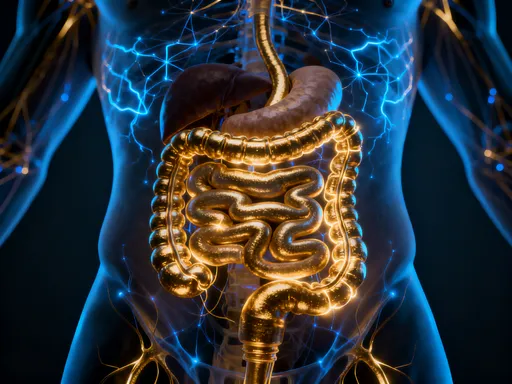
The third principle is internal hydration and gut nourishment. Healthy skin doesn’t come from moisturizer alone—it starts in the digestive system. A balanced gut microbiome supports nutrient absorption, reduces inflammation, and even influences mood. Foods rich in fiber—such as vegetables, fruits, legumes, and whole grains—feed beneficial gut bacteria. Fermented foods like yogurt and sauerkraut can also support gut health. At the same time, drinking enough water throughout the day helps flush toxins, keeps skin plump, and supports metabolic function. When your gut is thriving, your entire body reflects that balance.
These three principles work best when applied together. Nutrient-dense foods naturally stabilize blood sugar and support gut health. Over time, they create a positive feedback loop: better energy leads to better food choices, which lead to even better results. Unlike fad diets that promise fast weight loss but leave you tired and hungry, this approach builds lasting vitality. The changes are not just physical—they affect how you feel in your daily life, from your morning routine to your evening calm.
Morning Reset: The First 90 Minutes That Matter
How you start your morning sets the tone for your entire day—and your long-term health. The first 90 minutes after waking are a critical window for hydration, metabolic activation, and cellular repair. Many people reach for coffee on an empty stomach or skip breakfast altogether, not realizing these habits can spike cortisol, disrupt blood sugar, and accelerate aging over time.
A better approach begins with water. After several hours without fluids, your body is mildly dehydrated. Drinking a glass of water first thing helps kickstart digestion, supports circulation, and prepares cells for nutrient uptake. Adding a squeeze of lemon can enhance flavor and provide a small boost of vitamin C, an antioxidant that supports skin and immune health. Herbal teas like ginger or rooibos are also excellent choices—gentle on the stomach and rich in compounds that reduce inflammation.
Breakfast should include a balance of healthy fats, plant-based protein, and fiber. This combination fuels the brain, stabilizes mood, and prevents the mid-morning crash. A simple anti-aging breakfast might include avocado on whole grain toast with a sprinkle of chia seeds and a side of berries. The healthy fats in avocado support cell membranes and brain function. Chia seeds provide omega-3s and fiber. Berries are packed with antioxidants that protect against oxidative stress. Another option is a smoothie made with spinach, banana, unsweetened almond milk, a scoop of plant-based protein, and a tablespoon of flaxseed. This meal is quick to prepare, easy to digest, and delivers sustained energy.
Avoiding high-sugar, high-carb breakfasts is essential. Pastries, sweetened cereals, and fruit juices cause rapid insulin spikes, leading to inflammation and increased glycation. Over time, this pattern wears down the body’s ability to regulate blood sugar, increasing the risk of metabolic issues and accelerating visible aging. By choosing whole, unprocessed foods in the morning, you send a message to your body: today will be a day of support, not stress.
Many women report noticeable improvements within days of changing their morning routine. Skin appears brighter and more hydrated. Mental fog lifts, replaced by sharper focus. Energy levels stay steady through the morning, making it easier to stay active and engaged. These small shifts compound quickly, creating a foundation for long-term wellness. The morning is not just about starting the day right—it’s about investing in your future self.
Smart Swaps, Not Starvation: Easy Daytime Food Changes
Busy schedules don’t have to stand in the way of healthy eating. The key is not to add more effort, but to make smarter choices with the foods you already enjoy. Anti-aging nutrition isn’t about deprivation. It’s about upgrading your plate with simple, delicious swaps that deliver real benefits.
One of the easiest changes is replacing processed snacks with whole-food alternatives. Instead of reaching for a bag of chips or a candy bar, try a small handful of almonds, a piece of fruit with nut butter, or carrot sticks with hummus. Nuts and seeds are rich in vitamin E, a powerful antioxidant that protects skin from sun damage and supports heart health. Berries, especially blueberries and strawberries, are loaded with anthocyanins, which help protect DNA and reduce inflammation. Avocado provides monounsaturated fats that keep skin supple and support brain function.
Another important swap is changing the oils you cook with. Refined vegetable oils, often found in packaged foods and restaurant meals, are high in omega-6 fatty acids, which can promote inflammation when consumed in excess. Instead, use extra virgin olive oil, which is rich in oleic acid and polyphenols—compounds that support heart health and reduce oxidative stress. Use it for salads, light sautéing, or drizzling over cooked vegetables. Coconut oil and avocado oil are also stable at higher temperatures and can be used for cooking when needed.
Colorful vegetables should take center stage at every meal. Each hue represents different phytonutrients—natural plant compounds that protect cells and support detoxification. Dark leafy greens like kale and spinach are high in lutein and folate, which support eye health and cell division. Orange vegetables like carrots and sweet potatoes provide beta-carotene, a precursor to vitamin A that keeps skin smooth and strong. Red peppers and tomatoes contain lycopene, which has been linked to healthier skin and reduced oxidative damage.
Real-life meals can be both simple and effective. A lunch of grilled salmon over a large salad with mixed greens, cucumbers, tomatoes, olives, and olive oil dressing offers protein, healthy fats, fiber, and a spectrum of antioxidants. A mid-afternoon snack of Greek yogurt with a few walnuts and a sprinkle of cinnamon supports gut health and stabilizes blood sugar. These meals require minimal prep, fit into a busy day, and deliver fast results—better digestion, clearer skin, and sustained energy.
Evening Habits That Accelerate Renewal
Nighttime is when the body focuses on repair and regeneration. What you eat in the evening can either support or disrupt this crucial process. A well-chosen dinner helps regulate sleep, supports collagen production, and allows the body to detoxify and restore itself overnight.
The ideal evening meal includes fiber, lean protein, and healthy fats in moderate portions. Fiber from vegetables, legumes, or whole grains supports digestion and feeds beneficial gut bacteria. Lean protein sources—such as fish, chicken, tofu, or lentils—provide amino acids needed for tissue repair and melatonin production. Healthy fats, like those in olive oil or avocado, help absorb fat-soluble vitamins and keep cells functioning properly. A simple plate might include baked cod with roasted broccoli and quinoa, or a stir-fry with tofu, mushrooms, and brown rice.
Certain foods can enhance sleep quality, which is essential for anti-aging. Tart cherries are one of the few natural food sources of melatonin, the hormone that regulates sleep-wake cycles. Eating a small serving in the evening—either fresh, frozen, or as unsweetened juice—may help you fall asleep faster and improve sleep quality. Other sleep-supportive foods include bananas, which contain magnesium and potassium, and oats, which gently raise melatonin levels.
It’s also important to avoid late-night sugar and alcohol. Both can interfere with deep sleep and increase inflammation. Alcohol metabolism produces acetaldehyde, a toxin that damages cells and accelerates aging. It also dehydrates the skin and disrupts liver function, impairing the body’s ability to detoxify. Sugary desserts or snacks before bed cause insulin spikes, which can wake you up during the night and contribute to fat storage. If you crave something sweet, try a small piece of dark chocolate (70% cocoa or higher) or a few slices of apple with cinnamon.
Timing matters, too. Eating too late can interfere with digestion and sleep. Aim to finish dinner at least two to three hours before bedtime. This gives your body time to digest and transition into rest mode. When you support overnight repair with the right foods and timing, you wake up feeling refreshed and ready to face the day. Over time, these habits lead to better skin tone, improved energy, and a stronger sense of well-being.
Results I Didn’t Expect—And Why You Might See Them Too
After just a few weeks of applying these dietary changes, the results were undeniable. My skin felt firmer and looked more radiant. Fine lines around my eyes appeared softer. Friends began commenting on my glow. But the changes went beyond appearance. My energy levels stabilized—I no longer needed a nap by mid-afternoon. Digestion improved, bloating decreased, and I felt lighter, more comfortable in my body. Even my mood felt brighter, less reactive to daily stressors.
One of the most surprising benefits was mental clarity. The brain fog that used to cloud my mornings lifted. I could focus on tasks without distraction, remember names and details more easily, and feel more present in conversations. This isn’t just subjective. The brain is highly sensitive to inflammation and blood sugar swings. By eating foods that reduce both, you create an environment where cognitive function can thrive.
Workout recovery also improved. Joints felt less stiff, muscles recovered faster, and I had more stamina during physical activity. This is likely due to reduced inflammation and better nutrient delivery to tissues. Collagen support from vitamin C-rich foods and amino acids played a role, as did the anti-inflammatory effects of omega-3s and antioxidants.
These are what experts call non-scale victories—improvements that don’t show up on a tape measure but matter deeply to quality of life. They are the real indicators of healthy aging. And the best part? These changes didn’t require perfection. I didn’t eliminate all sugar or eat perfectly every day. But by making consistent, mindful choices, the benefits compounded quickly. Small shifts, repeated over time, create lasting change.
If you try this approach, your results may vary—and that’s okay. Every body is different. Some women see changes in days, others in weeks. The key is consistency, not speed. Listen to your body. Notice how you feel. Celebrate progress, not perfection. And remember, this isn’t about chasing youth. It’s about feeling strong, vibrant, and in tune with your body at every stage of life.
Final Thoughts: Aging Well Is a Daily Choice
Aging is inevitable. But how we age is not. Diet is one of the most powerful tools we have to influence our health, appearance, and vitality as we grow older. Unlike expensive treatments or unproven supplements, food is accessible, affordable, and deeply personal. Every meal is an opportunity to care for yourself—to honor your body with nourishment that supports long-term well-being.
The changes outlined in this approach are not quick fixes. They are sustainable habits built on science and real-life experience. By prioritizing nutrient-dense foods, stabilizing blood sugar, and supporting gut health, you create a foundation for graceful aging. You may not stop the clock, but you can slow its effects—protecting your skin, energy, and mental clarity for years to come.
It’s also important to recognize that individual needs vary. Underlying health conditions, medications, and personal preferences all play a role in how diet affects you. If you have concerns about your health, consulting a healthcare provider or registered dietitian is always a wise step. They can help you tailor these principles to your unique situation.
Ultimately, anti-aging is not about resisting time. It’s about making daily choices that let you live fully, with strength and joy. When you view food as a form of self-care—a way to invest in your future self—you shift from restriction to empowerment. You are not just eating to survive. You are eating to thrive. And that makes all the difference.