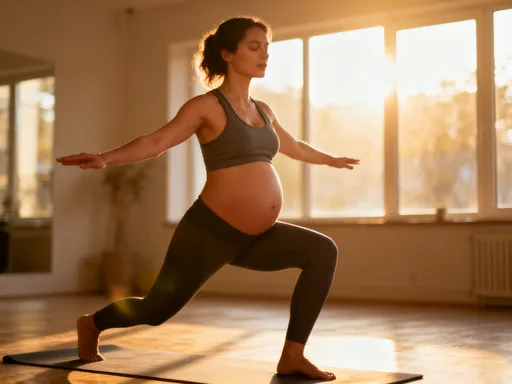
Why Pregnancy Exercise Feels Like a Game Changer—Here’s What Actually Works
Exercise during pregnancy isn’t just safe—it’s transformative. For decades, myths about overexertion and risk have discouraged expectant mothers from moving. But science now confirms that a well-structured, trimester-specific routine supports both maternal and fetal health. From boosting energy to easing labor, physical activity reshapes the pregnancy journey. This guide breaks down exactly how to move safely, what to avoid, and why professional guidance is non-negotiable. With growing evidence from trusted medical organizations, it’s clear that staying active is not only possible but profoundly beneficial. The shift in understanding has empowered women to reclaim strength, comfort, and confidence throughout one of life’s most significant transitions.
The Hidden Truth About Pregnancy and Movement
For generations, the message to pregnant women has often been to rest, limit exertion, and avoid strain. Many still carry the belief that physical activity might disturb the baby or increase the risk of complications. Yet modern research strongly contradicts this outdated view. According to the American College of Obstetricians and Gynecologists (ACOG), women with low-risk pregnancies are encouraged to engage in at least 150 minutes of moderate-intensity aerobic activity each week. This isn’t a suggestion based on preference—it’s a recommendation rooted in clinical evidence showing that regular movement reduces the likelihood of gestational diabetes by up to 30%, lowers the risk of preeclampsia, and helps manage healthy weight gain.
One of the most persistent myths is that exercise could “shake” the baby or trigger preterm labor. This fear, while understandable, lacks scientific support. The amniotic fluid surrounding the fetus acts as a natural cushion, protecting it from normal motion. Studies consistently show that moderate exercise does not increase the risk of miscarriage in early pregnancy or preterm birth in later stages. In fact, women who remain active often experience shorter labors and fewer interventions during delivery. The body is designed to adapt, and pregnancy is not a state of fragility but of dynamic change—change that responds positively to appropriate physical stimulation.
Another misconception is that only women who exercised before pregnancy should continue. However, ACOG emphasizes that even those who were previously sedentary can begin a safe routine during pregnancy, starting gradually and building consistency. The key is medical clearance. Before any new activity, consultation with a healthcare provider ensures that individual risk factors—such as placental position, blood pressure, or cervical health—are properly assessed. This step is not a formality; it’s a vital safeguard. When guided correctly, movement becomes a form of proactive care, not risk.
Why Your Body Actually Craves Movement During Pregnancy
Pregnancy triggers a cascade of physiological changes that affect nearly every system in the body. Hormones like progesterone and relaxin increase joint flexibility, blood volume rises by nearly 50%, and the center of gravity shifts forward as the uterus expands. These changes, while essential for fetal development, can lead to discomfort—lower back pain, pelvic instability, swelling, and fatigue. Paradoxically, the best response to these challenges is not stillness, but movement. Gentle, consistent activity helps the body adapt more efficiently and reduces many common symptoms.
Take circulation, for example. The increase in blood volume supports the growing placenta, but it can also lead to swelling in the legs and a higher risk of blood clots. Regular walking or leg lifts improve venous return, reducing fluid buildup and supporting cardiovascular health. Similarly, digestive slowdown—often blamed for constipation and bloating—responds well to movement. Even light physical activity stimulates intestinal motility, helping food move through the system more smoothly. These benefits are not incidental; they are direct results of how the body functions when supported by motion.
Mood regulation is another critical area where exercise plays a powerful role. Hormonal fluctuations can contribute to anxiety and mood swings, but physical activity increases endorphin and serotonin levels—natural mood stabilizers. Studies have shown that women who engage in regular prenatal exercise report lower levels of perceived stress and fewer symptoms of prenatal depression. Beyond the chemical response, movement fosters a sense of agency. In a time when so much feels beyond control—body changes, medical appointments, anticipation of labor—choosing to move becomes an act of empowerment.
Finally, exercise influences fetal positioning. Activities that encourage an upright posture, such as walking or pelvic tilts, can help the baby settle into an optimal head-down position for birth. This is not about forcing alignment but supporting the natural mechanics of the pelvis. When the mother’s muscles are balanced and her posture is strong, the space within the uterus becomes more conducive to ideal fetal placement. In this way, movement is not just about the mother’s well-being—it also supports the baby’s readiness for delivery.
Building a Safe and Effective Trimester-by-Trimester Plan
Exercise needs change as pregnancy progresses, and a one-size-fits-all approach is neither effective nor safe. A thoughtful, stage-specific plan allows women to stay active while honoring the body’s evolving demands. The first trimester, marked by hormonal surges and early fetal development, often brings fatigue, nausea, and emotional sensitivity. High-intensity workouts are rarely sustainable during this phase. Instead, gentle movement like short walks, light stretching, or restorative yoga can help manage symptoms without overexertion. The goal is consistency, not intensity—building a habit that can be maintained as energy levels shift.
By the second trimester, many women experience a resurgence of energy and reduced nausea, making it an ideal window to introduce more structured activity. This is the time to incorporate strength training with light weights or resistance bands, focusing on major muscle groups like the back, legs, and arms. Modified squats, step-ups, and wall push-ups build functional strength that supports daily movements and prepares the body for labor. Prenatal yoga and low-impact aerobics also become excellent options, enhancing flexibility and balance. At this stage, most women can safely aim for 30 minutes of activity 4–5 times per week, provided they remain within the “talk test” limit—able to speak in full sentences while moving.
The third trimester brings new challenges: increased weight, reduced mobility, and greater pressure on the lower back and pelvis. Comfort and safety now take priority. Water-based exercises, such as swimming or aqua aerobics, are especially beneficial during this phase. The buoyancy of water reduces joint stress and supports the abdomen, allowing for freer movement. Pelvic tilts, breathing exercises, and prenatal perineal massage become valuable tools, helping to relieve tension and prepare for delivery. Sessions may shorten to 20–30 minutes, and frequency might drop to 3 times per week, depending on energy and physical comfort.
Throughout all trimesters, certain movements should be avoided. After 20 weeks, lying flat on the back (supine position) can compress the vena cava, reducing blood flow to the heart and baby. Exercises involving jumping, sudden direction changes, or contact sports carry a higher risk of falls and should be discontinued. The focus should always be on controlled, smooth motions that support stability. A weekly plan might include walking on Mondays and Wednesdays, strength training on Tuesdays, water exercise on Thursdays, and yoga on weekends—flexible enough to adapt to how a woman feels each day.
Core and Pelvic Floor: The Powerhouse You Can’t Ignore
One of the most misunderstood areas in prenatal fitness is the core. Many women assume that because the abdomen is expanding, core work should stop entirely. This is a misconception. The core is not just the rectus abdominis (the “six-pack” muscles); it includes the transverse abdominis, obliques, diaphragm, and pelvic floor—all of which play a crucial role in posture, stability, and labor. When these muscles weaken or become uncoordinated, it can lead to back pain, incontinence, and longer recovery after birth.
Traditional crunches and sit-ups are not recommended during pregnancy due to the risk of diastasis recti, a separation of the abdominal muscles. However, safe alternatives exist. Diaphragmatic breathing—inhaling deeply to expand the belly, then exhaling to gently draw the navel toward the spine—engages the deep core without strain. The “dead bug” exercise, performed lying on the back with knees bent (before 20 weeks) or seated in a chair, helps maintain coordination between the abdominal muscles and the pelvic floor. Supported planks, done on the knees or against a wall, build endurance without excessive pressure.
The pelvic floor, a group of muscles that support the bladder, uterus, and rectum, undergoes tremendous stress during pregnancy and childbirth. Kegel exercises—tightening and releasing these muscles—have long been recommended, but technique matters. Many women inadvertently hold their breath or tighten their glutes or thighs, which reduces effectiveness. The key is to isolate the pelvic floor: imagine stopping the flow of urine or lifting a small marble with the muscles. These contractions should be done in sets of 10, holding for 3–5 seconds each, and practiced in different positions—lying down, sitting, standing—to build functional strength.
Equally important is learning how to relax the pelvic floor. During labor, the ability to release these muscles is just as crucial as the ability to contract them. Women who only perform Kegels without practicing relaxation may struggle with pushing. Guided breathing exercises, where slow exhalations are paired with a downward release of the pelvic floor, help develop this coordination. If a woman experiences symptoms like urinary leakage, pelvic pressure, or a feeling of heaviness, it may indicate pelvic floor dysfunction. In such cases, consultation with a pelvic floor physical therapist is strongly advised. Early intervention can prevent long-term issues and improve postpartum recovery.
Walking, Water, and Yoga: Top Three Evidence-Backed Activities
Among the many forms of exercise available, three stand out for their safety, accessibility, and proven benefits during pregnancy: walking, water-based workouts, and prenatal yoga. Each offers unique advantages and can be adapted to suit different fitness levels and stages of pregnancy.
Walking is the most widely recommended activity for expectant mothers. It requires no special equipment, can be done almost anywhere, and carries minimal risk of injury. A brisk 30-minute walk five times a week meets the ACOG guidelines for aerobic activity. Walking improves cardiovascular health, helps regulate blood sugar, and supports healthy weight management. For women with joint pain or swelling, walking on softer surfaces like grass or trails can reduce impact. Using a pedometer or fitness tracker can provide gentle motivation, though the focus should remain on how the body feels rather than step counts or speed.
Water-based exercise offers exceptional benefits, particularly in the second and third trimesters. Swimming, water walking, or aqua aerobics take advantage of buoyancy, which supports up to 90% of body weight, relieving pressure on the spine and joints. This makes it ideal for women experiencing back pain, sciatica, or symphysis pubis dysfunction. The hydrostatic pressure of water also helps reduce swelling in the legs and improves circulation. Even women who are not strong swimmers can benefit from shallow-water workouts, which include arm movements, leg lifts, and gentle cardio routines. Many community centers and gyms offer prenatal aqua classes led by certified instructors, providing both structure and social support.
Prenatal yoga has gained widespread recognition for its holistic benefits. Unlike high-intensity workouts, yoga emphasizes breath control, gentle stretching, and mindfulness. Classes designed for pregnant women focus on poses that open the hips, strengthen the pelvic floor, and improve posture. Breathing techniques, such as ujjayi or box breathing, help manage stress and build respiratory endurance—skills that are directly transferable to labor. Research has linked prenatal yoga to reduced anxiety, better sleep, and even shorter first stages of labor. Modifications ensure safety: props like blocks and straps support balance, and lying poses are adjusted to avoid pressure on the vena cava. For beginners, starting with a gentle class or online video from a certified prenatal instructor ensures a safe introduction.
Recognizing Red Flags: When to Slow Down or Stop
While exercise is generally safe, it’s essential to recognize signs that indicate something may be wrong. Even women with medical clearance should remain vigilant about their body’s signals. Certain symptoms require immediate cessation of activity and prompt consultation with a healthcare provider. Vaginal bleeding at any stage of pregnancy is not normal and should never be ignored. Similarly, dizziness, chest pain, or palpitations during or after exercise may indicate cardiovascular strain and warrant evaluation.
Regular contractions—especially if they increase in frequency or intensity after exercise—can be a sign of preterm labor. A woman should stop exercising and rest; if contractions persist, medical attention is necessary. Other warning signs include shortness of breath before beginning activity, severe headaches, visual disturbances, or calf pain and swelling in one leg—potential indicators of deep vein thrombosis (DVT). Decreased fetal movement after a workout is also concerning and should prompt a non-stress test or ultrasound to ensure fetal well-being.
It’s important to distinguish between discomfort and danger. Mild muscle soreness, warmth, and increased heart rate are normal responses to exercise. However, sharp pain, vaginal pressure, or a feeling of “something coming down” in the pelvis are not. These may suggest pelvic floor strain or other complications. Women should also monitor their temperature; overheating, especially in the first trimester, can pose risks to fetal development. Exercising in a cool environment, wearing breathable clothing, and staying hydrated are essential precautions.
The ability to “talk while moving” remains a reliable guide. If a woman cannot speak in full sentences without gasping, she is likely exercising too intensely. The goal is moderate effort, not exhaustion. When in doubt, it’s always safer to reduce intensity or take a break. Listening to the body is not a sign of weakness—it’s an act of wisdom and care. Pausing does not mean quitting; it means honoring the body’s current needs.
Partnering With Professionals: The Non-Negotiable Foundation
No prenatal exercise plan should begin without the approval of an obstetrician, midwife, or qualified healthcare provider. This step is not optional—it is the foundation of safety. Every pregnancy is unique, and certain conditions may require activity restrictions or complete rest. Examples include placenta previa, cervical insufficiency, uncontrolled hypertension, or a history of preterm labor. In such cases, the risks of exercise may outweigh the benefits, and medical guidance is essential to determine what is safe.
For women with low-risk pregnancies, working with a certified prenatal fitness professional adds another layer of protection. These specialists understand the physiological changes of pregnancy and can design programs that are both effective and safe. They know how to modify exercises for different trimesters, recognize signs of overexertion, and teach proper breathing and alignment techniques. Many hospitals and wellness centers offer prenatal fitness classes led by such experts, providing a supportive environment for learning and connection.
Shared decision-making between the woman, her healthcare provider, and her fitness instructor ensures that the exercise plan is individualized and responsive to changing needs. Regular check-ins allow for adjustments based on how the woman feels, any new symptoms, or changes in her medical status. This collaborative approach fosters trust and reduces anxiety, making it easier to stay consistent.
Ultimately, exercise during pregnancy should not be viewed as a performance metric. It is not about burning calories, achieving a certain look, or meeting fitness goals. It is a form of self-care—an investment in physical resilience, emotional balance, and birth preparation. When approached with knowledge, support, and intention, movement becomes a powerful companion through one of life’s most transformative experiences. It empowers women to feel strong, informed, and deeply connected to their bodies and their babies.
Pregnancy is not a condition to be managed passively. With the right knowledge and support, exercise becomes a powerful tool for health, resilience, and confidence. By aligning movement with medical guidance and personal experience, women can navigate this transformative period with strength and clarity. The journey isn’t about intensity—it’s about intention.